
How much weight do people lose on prescription medication?
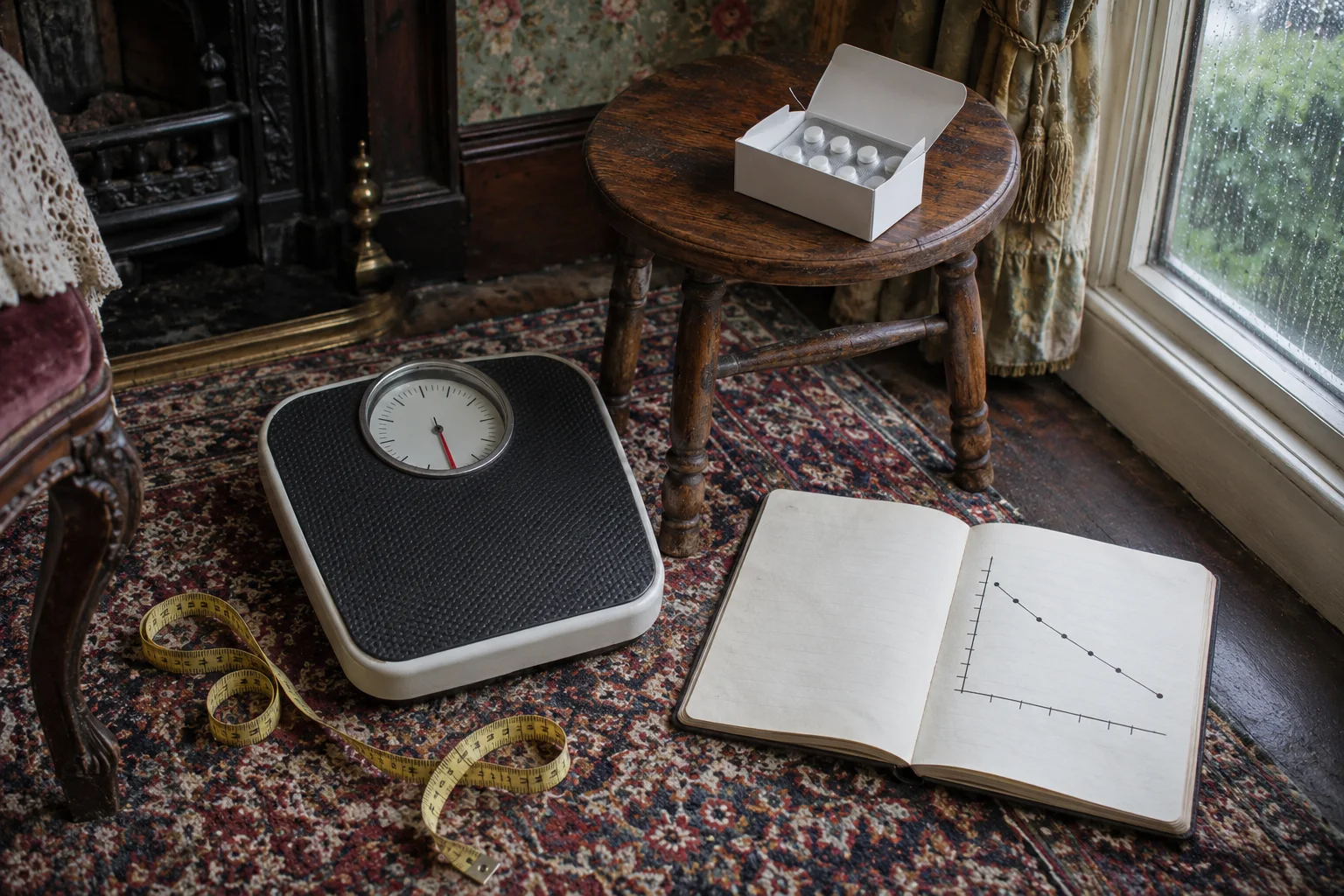
Most people ask this after they hear a medication exists and before they decide to start one. The figure matters, but so does the group it is measured against.
The number, and what it is compared with
According to the NIDDK, here is the average for adults after a full year. On average, after 1 year, adults who take prescription medications as part of a lifestyle program lose 3% to 12% more of their starting body weight than people in a lifestyle program who do not take medication.
Read the comparison closely. The people without medication are also in a lifestyle program, so 3% to 12% is the extra loss over that group, not the total. It is also an average across adults, which makes it a description of a group and not a promise for one person.
Where this question usually comes up
It tends to arrive early, at the stage where someone is weighing a prescription against what they are already doing. The one-year mark in that figure is a reminder that the comparison is made after a full year, not after a few weeks.
Bringing the figure to a prescriber
The next step is a conversation with a licensed prescriber about whether a prescription medication fits your health history. Bring the figure above and ask what lifestyle program would sit alongside the drug, since the number describes medication used inside one. The NIDDK overview of prescription medications for overweight and obesity is a sound place to read before that visit.
Ask, too, whether the drug on offer is an approved one. That question is easier to settle before the first dose than after, and the FDA explains its concerns about unapproved GLP-1 drugs used for weight loss.
Medication without a lifestyle program
If your plan is medication alone, with no lifestyle program beside it, the 3% to 12% figure does not describe your situation, and the plan needs rework. The same goes for any claim that quotes a larger number without saying what it was compared against. Ask for the comparison group before you trust the number.
A good figure names its comparison. A weak one hides it.